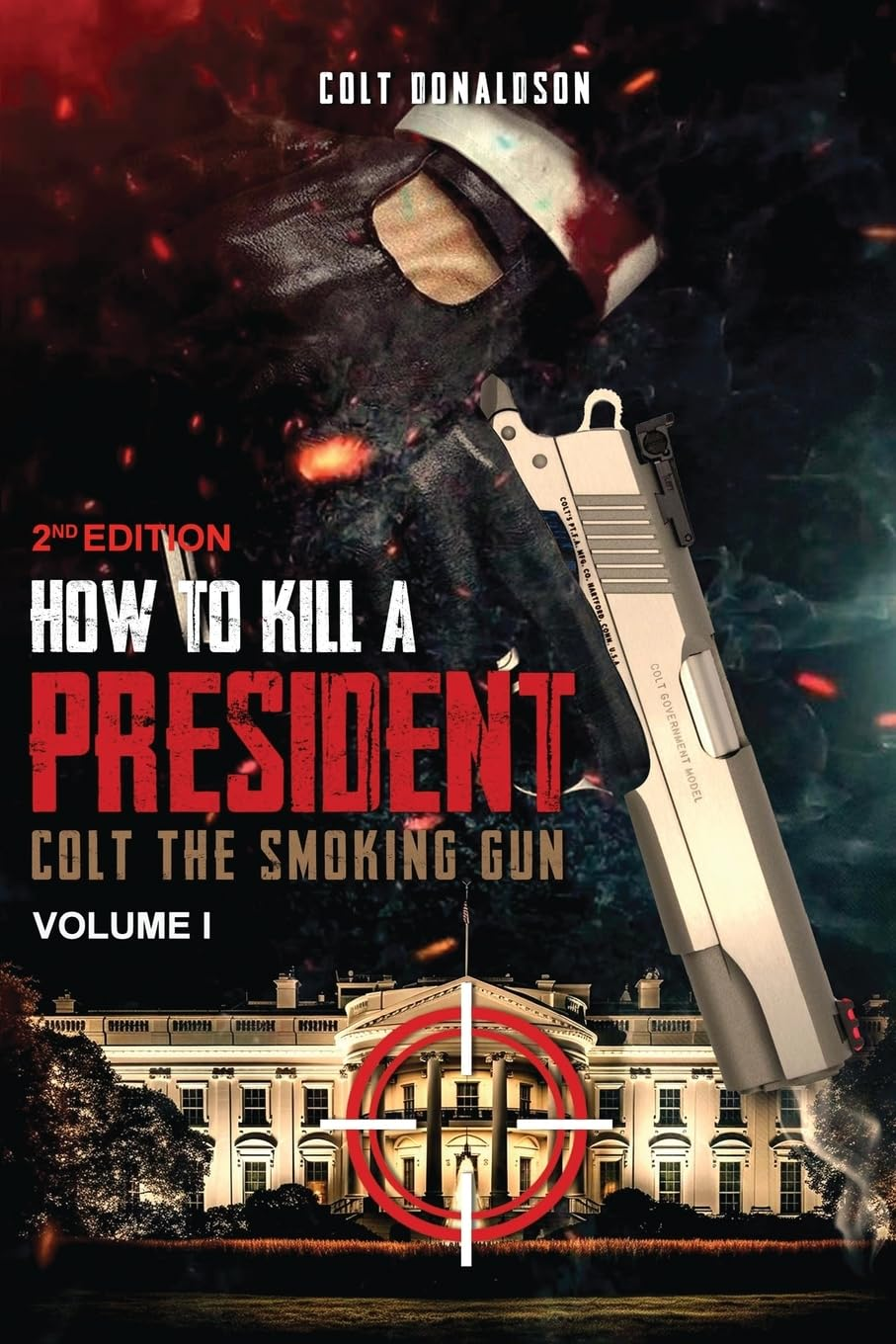
Hidden behind the walls of New York’s Barclay Building lies a tale of ambition, secrecy, and the enduring bonds of family. Colt Donaldson’s How to Kill a President? Doesn’t simply tell a story of political intrigue—it reveals how legacies are shaped by those who dared to seize opportunity, even in the most unlikely places.
When Grandpop learned of the Barclay Building’s prominence as New York Telephone’s central hub, he saw more than bricks and wires—he saw a way to protect his kin. With gang wars consuming the city, he urged Uncle Johnny to push one of his sons into a safer, more promising role. Cousin Walter stepped up, eager for the challenge. His decision to join the night shift as a trainee set him on a path that would later define his life and secure his place in the Colt legacy.
Walter’s story reads like a clandestine thriller. Within six months, he was not just a technician but the sole keeper of the night, surrounded by switchboards humming with secrets. Armed with after-hours access, Walter gathered names, phone numbers, and whispered truths from the city’s most powerful figures. Donaldson precisely describes the delicate art of listening: a subtle static pop, often dismissed, but enough to unsettle crime bosses like Lucky Luciano and Meyer Lansky, who would glance nervously out their windows, convinced someone was spying from a nearby pole.
Yet beneath the intrigue lies a deeper theme—the resilience of the Colt family. Walter’s clandestine work is not portrayed as mere lawbreaking but as survival, a reimagining of morality in a world where opportunity was reserved for the privileged. Donaldson draws readers into the gray zones of ambition and necessity, asking them to consider: Was Walter just another cog in a corrupt system, or was he rewriting the rules to build a legacy?
The author’s vision becomes clear in moments like these. How to Kill a President? Is less about sensational assassination plots and more about the invisible webs of power connecting family, politics, and history. The Vietnam War looms large in the narrative, showing the devastating cost of duty for men like Peter Colt, while Donald wrestles with identity and ambition amid the cultural upheaval of the 1960s and 70s. Against this turbulent backdrop, Walter’s story in the Barclay Building becomes a metaphor for survival—an illustration of how individuals navigate corrupt systems to secure futures for themselves and their families.
Donaldson’s descriptive and introspective style shines here. The Barclay Building itself becomes a character, its halls echoing with both opportunity and danger. Readers can almost hear the whispered calls, the scratch of a pencil as Walter jots down names, the hum of electricity carrying the lifeblood of a city always in motion.
The brilliance of Donaldson’s narrative lies in its ability to merge personal anecdotes with sweeping historical themes. The Colts are not just participants in history—they are survivors, strivers, and, at times, reluctant rebels. Their story resonates with anyone who has questioned authority, challenged the status quo, or sought to leave a lasting mark in the face of overwhelming odds.
Ultimately, Walter at the Barclay Building is more than a family anecdote; it reflects Donaldson’s broader vision. How to Kill a President? Is about legacy, ambition, and the human spirit’s relentless drive to adapt, resist, and endure. It is a reminder that history’s most powerful currents are often shaped by those in the spotlight and those who work in shadows.