Some books grip with sheer suspense, others with history, and a rare few manage to braid both into a narrative that is as haunting as it is illuminating. Colt Donaldson’s How to Kill a President? belongs firmly in this rare category. At once a political thriller, a family saga, and a historical meditation, the novel explores the violent undercurrents shaping America—through its wars abroad, conspiracies at home, and the bloodlines linking power, ambition, and survival.
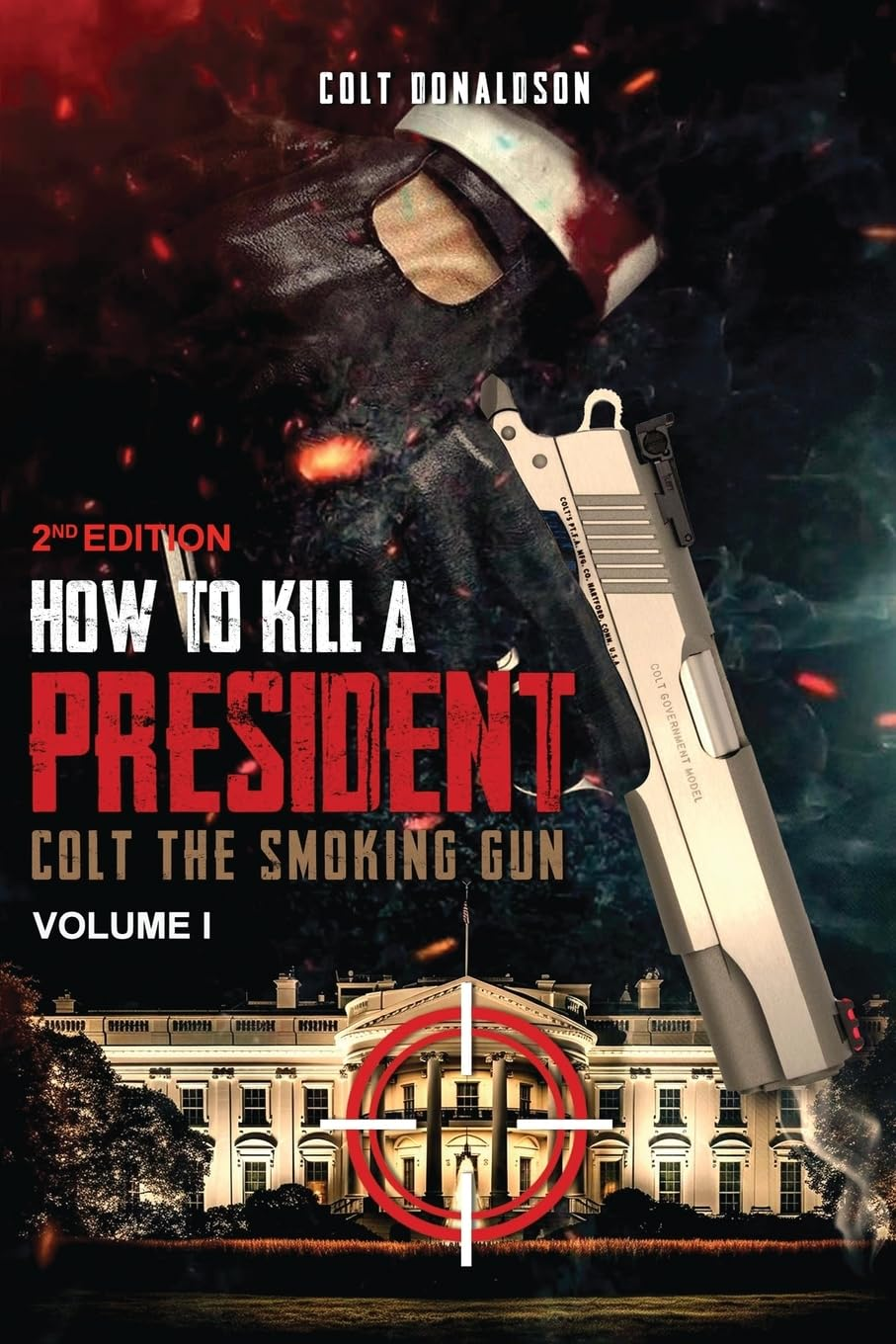
At its core, the book follows the Colt family, whose legacy stretches across centuries of American history. From the early days of settlement through wars, gang rivalries, and shifting political tides, the Colts became entwined with America’s story of ambition and violence. Grandpop, the patriarch, emerges as a figure obsessed with codes, secrecy, and influence. His fascination with Samuel Morse’s telegraph signals is more than curiosity—it symbolizes a lifelong obsession with control through hidden information. In Donaldson’s hands, the Colt family is never just surviving history; they are shaping it, and being shaped by it in turn.
What elevates the book beyond a mere historical drama is its ability to connect eras. Donaldson stitches together the corruption of Tammany Hall politics, the trauma of the Vietnam War, and even contemporary anxieties about elections and assassinations into one overarching tapestry. The Vietnam War, in particular, is not treated as a distant historical conflict but as a scar across generations. Through the experiences of Peter Colt and others, readers are confronted with the human toll of combat—the exhaustion, the disillusionment, and the fragile bonds formed in foxholes under fire. In these passages, the novel’s political thriller edge gives way to poignant meditations on survival and shared humanity.
Yet politics remains central. How to Kill a President? takes readers behind the smoke-filled rooms of power and into the unsettling realm of conspiracies. Assassination plots, infiltrated networks, and whispered deals all pulse through the narrative. Donaldson doesn’t simply invent paranoia; he draws from real historical fractures. The assassinations of John F. Kennedy and attempts on others cast long shadows, and the novel dares to suggest that American power has always been vulnerable, always compromised by unseen actors. This is not a conspiracy for shock value, but a conspiracy as a lens to question how history is written—and who truly benefits.
Stylistically, Donaldson blends family memoir with thriller pacing. The prose can be descriptive, sometimes introspective, but it never loses sight of urgency. His characters—especially Donald, the conflicted heir who navigates New York’s gritty streets of the 1960s and ’70s—embody a timeless tension: between ambition and morality, between loyalty to family and self. Donald may resist education and question his path. Still, his story is a metaphor for a generation caught in the whirlwind of change, pulled between legacy and the possibility of reinvention.
Perhaps what makes How to Kill a President? so compelling is its refusal to separate the personal from the political. For the Colts, wars abroad reverberate in living rooms at home, and the shifting allegiances of political clubs in New York mirror the survival tactics of street gangs.
Colt Donaldson’s vision for the book is clear: history is not a neutral collection of dates and events. It is lived, contested, and scarred by those who dared to grasp for power. By weaving intimate family anecdotes with broader historical moments, Donaldson forces readers to question where personal ambition ends and national destiny begins.